Dry-Stone Terracing on the Ligurian Coast
A record of techniques, materials, and practices used to build and maintain terraces and retaining walls without mortar on the steep coastal slopes of Liguria.

Context
Terracing without Mortar: An Overview
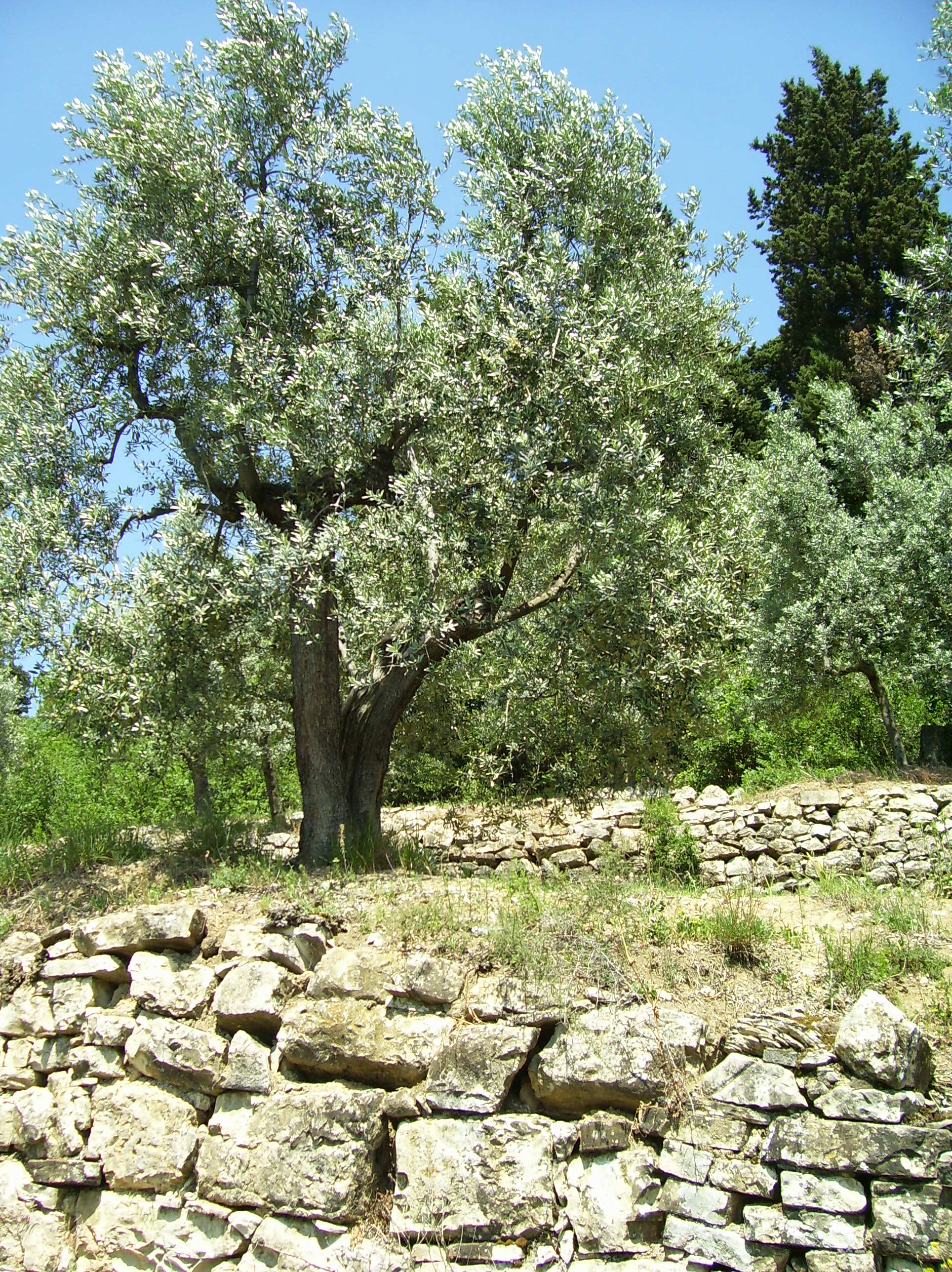
Along the Ligurian Riviera and the inland hillsides approaching the Apennines, stone retaining walls define the agricultural landscape. Built without cement or lime, they rely on gravity, fit, and the particular behaviour of local schist and limestone. The technique — known locally as muri a secco — is documented by UNESCO as an element of intangible cultural heritage.

How traditional terrace construction proceeds on slopes exceeding 30 degrees — from base preparation to final coping stones.

The structural logic behind mortar-free retaining walls: batter ratios, drainage channels, and the role of tie-stones.

The criteria for choosing face stones, through-stones, and fill material when working with locally sourced coastal rock.
Background
The Landscape These Walls Created
The terraced hillsides of Liguria are not natural features. They are the product of several centuries of labour, during which families cut horizontal shelves into slopes that would otherwise be too steep for cultivation. Olive groves, vineyards, and vegetable plots occupied these platforms, each retained by a stone wall built from material cleared during construction.
In the area around La Spezia, Cinque Terre, and the Val Graveglia, this pattern is especially dense. The Cinque Terre National Park estimates that the total length of walls within its boundaries exceeds the length of the Great Wall of China, though most have not been maintained since the abandonment of subsistence farming in the mid-twentieth century.
Ongoing restoration projects, partly funded through the park authority and regional bodies, aim to document surviving wall sections and train younger builders in the original technique. The practice was inscribed on the UNESCO Representative List of the Intangible Cultural Heritage of Humanity in 2018, jointly with Croatia, Cyprus, France, Greece, Slovenia, Spain, and Switzerland.
Contact
For enquiries about content, corrections, or research collaboration, use the form below.